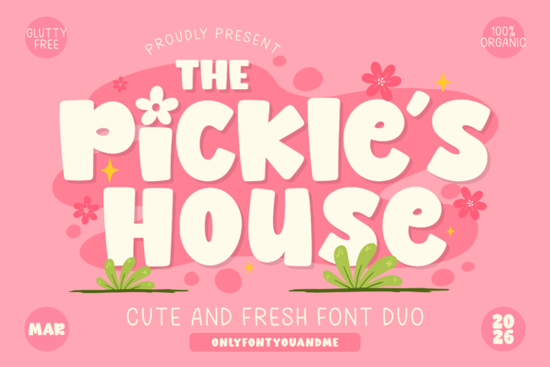
If you have ever struggled to find a font that captures a genuine sense of whimsy without looking cheap or childish, The Pickles House Font offers exactly what you need. Designed with a cheerful personality, this typeface duo combines distinct weights to solve the common problem of needing both strong headlines and readable subtext in a single package. Whether you are creating branding for an organic snack line or designing stickers for a local market, having access to a cohesive font pair saves significant time. Instead of searching through dozens of different files to match a style, you get a ready-to-use system that ensures consistency across all your projects.
What distinguishes this display typeface from others?
The core strength lies in its ability to feel handcrafted without actually being handwritten. Most display fonts struggle to strike a balance between professional legibility and artistic flair. This set manages to include chunky, rounded letterforms that appear soft and approachable while maintaining a clear structure. The secondary component adds a casual, airy touch that prevents the design from feeling too heavy. You will appreciate the slight unevenness in the strokes, which mimics a human touch and instantly conveys warmth. This is particularly important when you want your audience to feel a personal connection to a brand or project.
When selecting typography, readability often competes with aesthetics. Here, the main font handles large-scale text well because the counters (the enclosed spaces inside letters like 'o' or 'e') remain open. This keeps characters recognizable even when scaled down for social media graphics. Conversely, the lighter weight provides a natural flow for captions or body copy where the mood needs to shift from bold to welcoming. It creates a composition that breathes, avoiding the cramped look many budget fonts produce.
How does it compare to other playful options?
While you can certainly rely on just one family for various tasks, exploring similar collections helps clarify exactly why this style works for your specific niche. For instance, if you need something structured yet energetic, checking out Preppy Crush might give you an idea of how geometric shapes influence a bold look. On the other hand, if your project leans heavily into a youthful demographic, reviewing Kidpop reveals the nuances of pure playfulness. Sometimes you might need more edge, in which case looking at Stay Funky shows how texture impacts the final vibe. For those seeking a mix of spooky cuteness and roundness, Bubble Skelly demonstrates how character counts affect tone. Comparing these helps you see how variations in thickness and stroke width change the perception of a logo or poster.
Which projects benefit most from quirky typography?
Sellers in the print-on-demand space often face pressure to stand out quickly on platforms like Etsy or Redbubble. A generic sans-serif fails to capture attention in a crowded marketplace. This font duo cuts through the noise by establishing a distinct visual identity immediately. Food packaging is a natural home for this style. Imagine labeling jars of homemade jam or bags of cookies; the garden-inspired vibe pairs perfectly with ingredients lists and marketing copy.
- T-shirt Graphics: Use the bold face for main slogans and the handwritten script for smaller details.
- Social Media Headers: Create banners that feel inviting and align with Instagram aesthetic trends.
- Event Invitations: Perfect for birthday parties, baby showers, or community gatherings where a friendly tone matters.
- Product Packaging: Adds a premium, artisanal feel to stickers, tapes, and gift cards.
Small businesses aiming for a wholesome image should consider the emotional response this type triggers. People associate the rounded edges with safety and comfort. By choosing this over sharp, technical fonts, you signal that the business cares about community and quality. It also simplifies the design process because you do not need to hunt for a complementary script to complete the pairing.
Are there technical considerations for installation?
Most modern design software recognizes OpenType formats easily, but verifying compatibility before buying is always wise. Check if your tools support variable fonts or if separate files are required for the different weights. Typically, these sets come with OTF and TTF versions, ensuring they work on Mac, Windows, and online editors. Once installed, try setting up character styles so you can switch between the display and handwriting modes quickly. This workflow efficiency becomes crucial when working under tight deadlines or managing multiple client projects simultaneously.
Licensing terms vary depending on the platform, so be sure to read the fine print regarding commercial use. Most purchases allow for end-product sales like merchandising, but some restrictions may exist for web embedding or broadcast media. Keeping your license documentation organized prevents legal hiccups later on.
Practical steps before you finalize your design
- Test on a mockup: Apply the font to a realistic photo of the intended item, like a mug or shirt, to check contrast.
- Check spacing: Adjust kerning manually if necessary, especially around letters with diagonal strokes.
- Variety: Try mixing in uppercase and lowercase to maximize the personality of the script style.
- Color matching: Ensure the background color complements the boldness of the black text.
By following these checks, you can ensure the final output looks polished and professional. Typography is the voice of your graphic, and picking the right tone sets the stage for everything else.
Get Started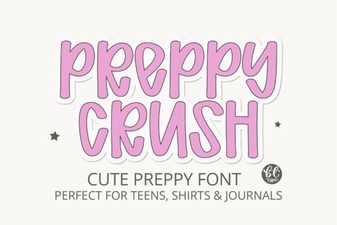 Download the Preppycrush Font: Elegant Design Projects
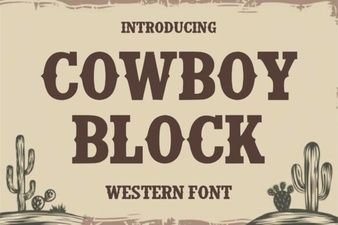 Craft Your Project with a Cowboy Block Font
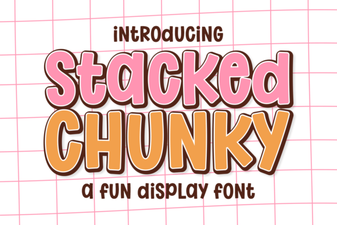 Design Impact with Stacked Chunky Font Styles
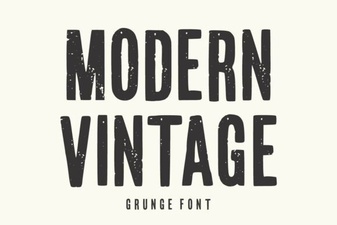 Blending Timeless Elegance with Modern Design
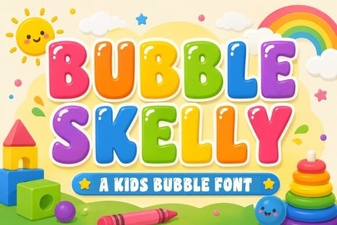 Get Creative with Bubble Skelly Typography
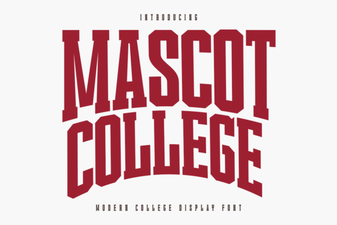 Mascot College Font Download & Design Tips