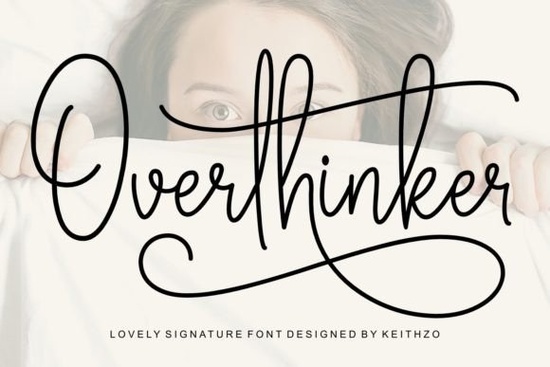
Finding the right typography can be tricky when you want your project to stand out without losing readability. You need something that feels personal but still looks professional enough for clients. This is where Overthinker Font becomes a practical choice for creators who value flow and detail. It bridges the gap between a handwritten note and polished graphic design.
Does this font fit my project needs?
Designers often struggle to find a script that balances legibility with personality. The Overthinker typeface offers a signature style that feels organic. Its letterforms feature delicate curves and flowing lines that mimic natural hand motion. Because of this structure, it works exceptionally well for high-stakes applications like wedding invitations or premium packaging. The weight distribution is light enough to remain crisp at smaller sizes, yet heavy enough to carry the visual load of a headline.
If you are building a brand identity, consistency is key. This family includes swashes and alternates that allow you to customize letters without creating awkward spacing issues. For social media graphics, these flourishes add a touch of refinement that plain sans-serif fonts cannot provide. You can pair it with a sturdy body copy to let the headers shine while keeping the information easy to scan.
Is the font file ready for my software?
One major hurdle for many crafters is font installation glitches. A lot of free scripts lack proper encoding, which leads to missing glyphs or broken characters when you try to open them in Photoshop or Illustrator. Fortunately, Overthinker Font addresses this by being PUA encoded. Private Unicode Area encoding allows access to all the specific glyphs and swashes directly from your character panel in supported applications.
This technical feature saves hours of troubleshooting. You do not need complex plug-ins to access alternate letter variations. When you need a decorative tail on a lowercase 'y' or a looping connection between letters, they are available instantly. This reliability is crucial for print-on-demand sellers who cannot afford file errors during production. It ensures that every cut or print job looks exactly as intended without last-minute fixes.
Where else can I explore similar script collections?
While this specific design fits certain moods, browsing different variations helps you understand the full range of options. Sometimes you might need more texture or different stroke widths depending on the medium you are working on. If you enjoy the cursive flow of this set, exploring the Quincy font option provides a comparable aesthetic for modern projects.
For those looking for a bolder impact, checking out thick script options can change the entire perception of a logo. Heavy strokes command attention on billboards or large signage. Conversely, if you need something finer for delicate paper goods, looking at decorative script styles might offer more ornamental details. Each variation serves a different purpose in layout composition.
Sometimes the goal is to capture an authentic hand-drawn look rather than a pre-set typeface. In that case, investigating handwriting-inspired collections can give you that raw, unfiltered feel. Comparing these different assets helps you build a versatile library. Whether you are designing a craft bundle or a business card, having multiple script choices prevents your work from looking repetitive across different campaigns.
How do I incorporate it into my workflow?
To get the most out of any premium asset, integrating it smoothly into your system is essential. Here is a quick process to ensure everything functions correctly:
- Download the package: Verify you received the complete folder containing OTF and TTF files.
- Install the fonts: Double-click the file to install it into your operating system's font manager.
- Restart your app: Close and reopen your design software to refresh the font list.
- Test the encoding: Type out your text and select the swash alternates from the OpenType menu to confirm PUA access.
- Export safely: Save a PDF or image version to preserve the specific glyphs if sending files to clients.
Following these steps minimizes the risk of missing characters appearing as squares after export. This preparation is particularly important when preparing files for third-party printing services that might strip unsupported data.
Final thoughts for smart designers
Type selection is rarely just about picking a pretty style; it is about solving communication problems. Viewing this font in its dedicated category gives you access to other variations that complement the main typeface. Using a cohesive system of fonts builds trust with your audience faster than random combinations. When the typography supports the message rather than fighting against it, the result is always cleaner.
Weigh the pros and cons before purchasing. If you frequently create invitations or require elegant branding elements, this investment pays off in saved editing time. If your projects are strictly informational, a simpler serif might suffice. Always test your preferred font on actual mockups before scaling up to full production runs.
Next Step: Open your design program and type a short sentence using Overthinker to check kerning spacing. Adjust tracking slightly if the letters feel too tight, then proceed with your final design elements.
Learn More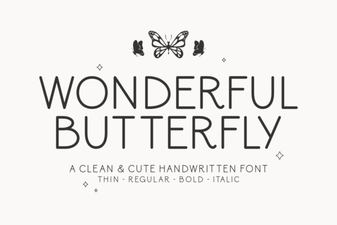 Wonderful Butterfly Fonts for Creative Designs
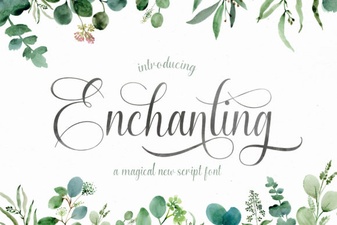 Elegant Script Fonts for Creative Projects
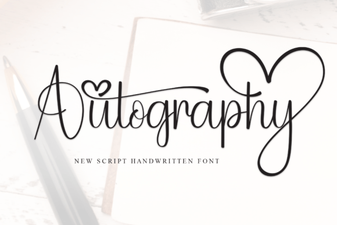 Craft Personal Projects with the Autography Font
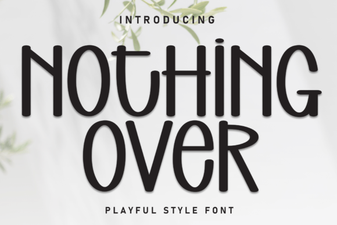 Nothing Over Font: Designing with Visual Simplicity
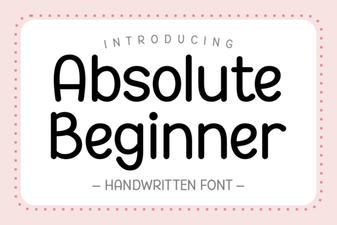 Choosing Fonts for Your First Design Project
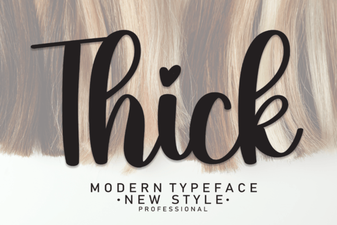 Expressive Typography with Bold, Thick Fonts