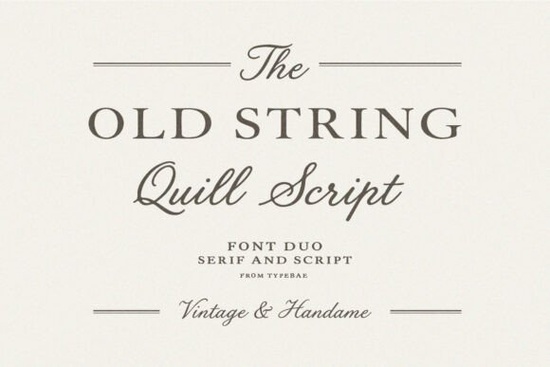
When selecting a digital asset for a project requiring heritage or refinement, the choice of typography sets the tone immediately. Whether you are working on physical merchandise or digital prints, having access to high-quality type is essential for maintaining professionalism. One tool that stands out for delivering this specific aesthetic is Old String. It provides a distinct balance between structure and flow, making it a reliable choice for creators who want their work to look established rather than generic.
What gives this typeface its character?
The visual appeal of this particular duo comes from how it handles contrast. Many modern fonts lean too heavily towards either rigid structure or loose handwriting, but this collection merges them intentionally. The included vintage serif offers strong readability while the accompanying quill-style script introduces movement. This combination ensures that text remains legible even when used at smaller sizes, such as on tags or fine print, yet retains enough personality to serve as a focal point in large headers.
Designers often seek fonts that evoke a sense of history without appearing dusty or outdated. By utilizing balanced weights, you can create designs that feel warm and authentic. This quality is particularly valuable for projects where trust and tradition play a major role in the message being conveyed to the audience.
Best uses for elegant lettering on products
Understanding where this type family fits best can save time during the mockup phase. Here are some scenarios where applying these characters tends to produce the strongest results:
- Wedding Stationery: Invitations benefit from the grace of the script version, while the serif provides necessary clarity for dates and locations.
- T-Shirt Graphics: Print-on-demand sellers find success placing the bold serif letters across chest areas or garment backs.
- Branding Materials: Logos created with these elements appear premium and can age well over time.
- Packaging Labels: Coffee bags and cosmetic boxes look professional when wrapped in this kind of sophisticated layout.
If you prefer a warmer tone alongside this structured look, consider browsing through collections featuring Lemon and Orange style fonts, which share similar organic qualities found here. On the other hand, if your project requires a higher energy level but still needs solid structure, comparing this against bolder alternatives available at this gallery can help define your direction.
How to pair this script with your brand identity
Typography rarely stands alone. To maximize the impact of the design, pairing it correctly is crucial. Using the script portion as a header with the serif for body copy creates a clear hierarchy. This helps guide the viewer’s eye naturally through the content without feeling crowded.
It is also wise to explore related assets to complete the kit. For those seeking additional variety within the same aesthetic lane, reviewing more options from the related serif fonts collection can provide fresh ideas. Keeping consistency in stroke width and weight across different elements prevents the design from looking disjointed.
File formats and compatibility
Technical readiness is just as important as visual appeal. Before integrating a new asset into your workflow, check the file extension support for your current software. Most modern design tools accept standard formats, ensuring smooth installation and usage. Having both OpenType and TrueType versions means you have flexibility whether you are working in Adobe Illustrator, Photoshop, or corelDraw.
Ensuring your vector files render sharply is key for scaling projects from a business card to a billboard. Test your designs at different zoom levels before finalizing any artwork meant for production. This step catches potential gaps or spacing issues early in the process.
Implementation checklist
- Download: Verify you received all components of the font package, including regular and italic styles.
- Install: Run the installer and restart your graphic software to recognize the new types.
- Spacing: Adjust kerning settings manually if text appears too loose when combining letters.
- Mockup: Place the text onto sample backgrounds like paper textures to gauge real-world appearance.
- Test: Create a simple headline and subheading combination to check for readability.
Focusing on these details ensures that the final result matches your vision. With careful planning, these letterforms can elevate everyday materials into something memorable.
Try It Free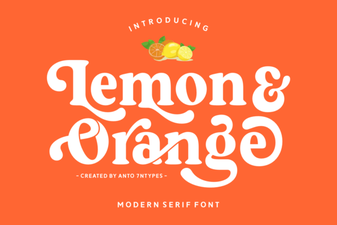 Lemon and Orange: a Citrus Font Pairing Guide
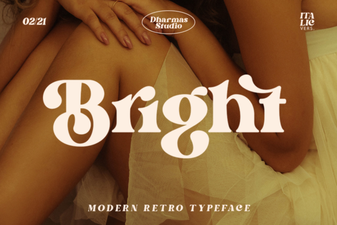 Bright Fonts for Clear and Engaging Web Design
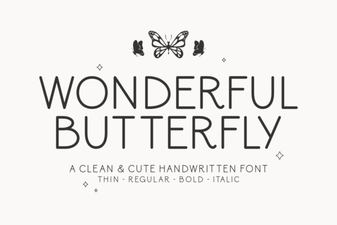 Wonderful Butterfly Fonts for Creative Designs
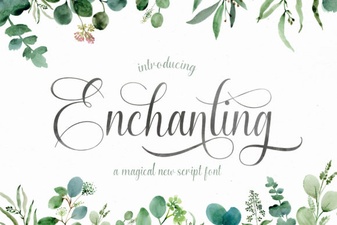 Elegant Script Fonts for Creative Projects
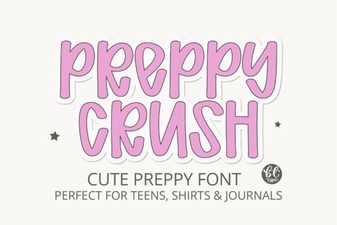 Download the Preppycrush Font: Elegant Design Projects
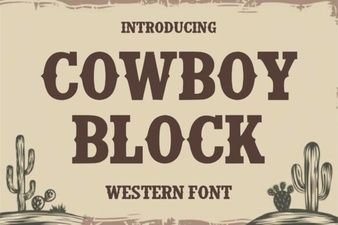 Craft Your Project with a Cowboy Block Font