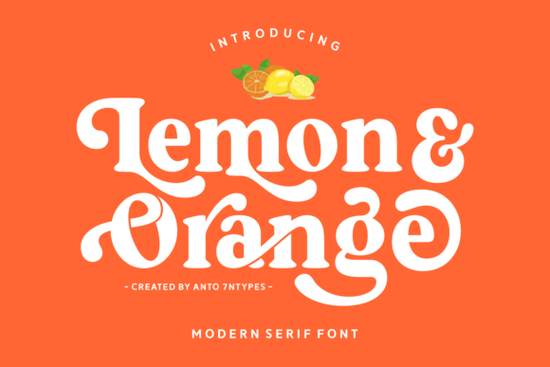
Finding the right typography can often feel like searching for a needle in a haystack. You want something that captures attention without compromising readability. That is where the Lemon and Orange Font comes in. This typeface combines a fresh personality with professional quality, making it suitable for both personal crafts and commercial ventures. Its design features blend elegant serifs with playful details, creating a visual language that speaks of joy and sophistication simultaneously.
Many creators struggle to find a single family that handles both romantic themes and modern branding effectively. A standard serif might feel too stiff for a birthday card, while a purely decorative script may lack weight for a headline. This multifaceted font resolves that conflict by offering a diverse range of character weights and styles. From delicate heart swashes to bolder statement letters, it serves as a true chameleon for your projects. It radiates the kind of charm you would expect from a sunny morning, injecting a touch of fairy-tale magic into everyday layouts.
How Does This Typeface Balance Different Vibes?
The core strength of this design lies in its ability to shift tones depending on how it is applied. At first glance, you might notice the luxury of its display versions which command authority on a magazine cover or book spine. However, zoom in closer, and you will see the inviting charm intended for greeting cards or packaging. This duality allows you to maintain brand consistency across materials that require very different emotional responses. For instance, the same file set works beautifully for a wedding invitation suite while also standing up well on a trendy T-shirt print.
If you enjoy the energy found in cheerful typefaces designed for high impact, you will appreciate how this font manages to stay grounded despite its lively appeal. It avoids becoming overwhelming by relying on classic structures beneath the whimsical flourishes. The addition of ligatures and alternate forms provides the flexibility needed to customize expression, ensuring your text never feels robotic or repetitive. This level of control is essential when refining a layout to match a specific mood board or color palette.
Where Do Designers Use These Specific Styles?
Practical application separates good tools from great ones. While some fonts are limited to digital screens, this family supports a wide array of physical outputs. Small business owners often utilize it to accentuate clothing lines or create unique branding identities that stand out from generic templates. Similarly, crafters frequently select it for custom quotation pieces or localized posters where a hand-drawn feel adds authenticity.
For event planners or stationery shops, the versatility extends further. It functions equally well as a headline font or as body text in smaller sizes due to its legibility. These detailed letterforms offer plenty of variation for those looking to explore deeper customization options without leaving the ecosystem. Whether you are working on a perfume package that requires a delicate touch or a bold logo concept, the typeface adapts to suit the medium. Its classic elegance prevents it from feeling dated, allowing it to age gracefully alongside seasonal trends.
Can It Handle Complex Text Needs?
Technical specifications matter just as much as aesthetics when managing large projects. One common limitation in specialty fonts is restricted character support, which can block international users. Fortunately, this design includes support for multilingual inputs, expanding its reach for global campaigns. This capability ensures that a quote or slogan can be translated and retain the original stylistic integrity across different languages.
When comparing it to more traditional vintage options, you will notice a clearer distinction between rigid historical styles and this contemporary interpretation. Old-fashioned serifs often prioritize strict rules over flow, whereas this font prioritizes fluidity. This makes it an exquisite option for projects requiring dynamic spacing or artistic alignment. The inclusion of alternate forms allows you to substitute certain characters to fix awkward gaps or enhance visual rhythm, adding an extra layer of sophistication to your work.
What Steps Are Needed to Get Started?
Before diving into production, it helps to understand how the file integrates into your workflow. Ensuring compatibility with your current software is vital for a smooth experience. Most modern applications handle standard font formats efficiently, but checking system requirements beforehand prevents unnecessary delays.
- Test Character Sets: Open the basic alphabet to verify all glyphs render correctly before committing to a large project.
- Review Alternates: Scroll through the alternate forms to identify which characters change shape and how they affect spacing.
- Check Multilingual Support: Verify that accented characters appear as expected if your audience spans multiple regions.
- Explore Licensing: Confirm whether the license covers your specific commercial use, such as merchandise or client work.
Ultimately, choosing the right asset depends on balancing creativity with functionality. Tools like Lemon and Orange Font provide the necessary foundation to experiment freely without sacrificing quality. By integrating these elements thoughtfully, you create designs that resonate deeply with your audience.
Download Now Creative Typography & Classic String Font Projects
 Bright Fonts for Clear and Engaging Web Design
 Wonderful Butterfly Fonts for Creative Designs
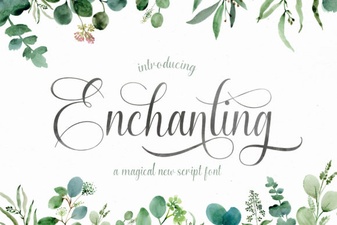 Elegant Script Fonts for Creative Projects
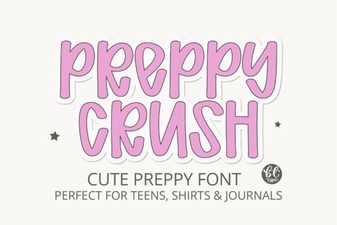 Download the Preppycrush Font: Elegant Design Projects
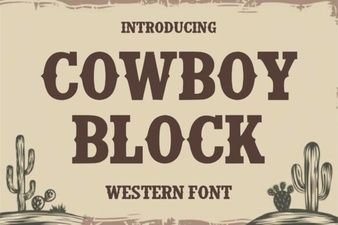 Craft Your Project with a Cowboy Block Font